The bigger picture
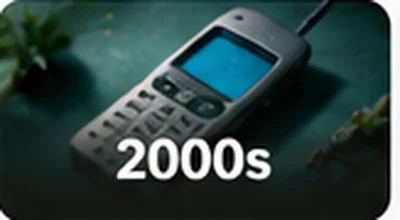
Early mobile phones were primarily designed for voice communication and were limited by size, battery life, coverage, and cost. Over time, cellular networks and device components became smaller and more capable.
What changed
Feature phones introduced text messaging, simple games, cameras, and basic internet services to more users. Smartphones later combined touch interfaces, app ecosystems, high-quality cameras, and broad internet access.
Why it mattered
The smartphone changed everyday routines, media consumption, navigation, commerce, and social communication. It also raised questions about attention, privacy, data collection, and unequal access.
A decade in context
The shift was gradual and differed across markets. Network deployment, handset prices, local services, and regulation all influenced how quickly people adopted mobile technology.
Frequently asked questions
What is the difference between a mobile phone and a smartphone?
A smartphone supports a broader range of software applications and internet-connected computing functions than a basic mobile phone.
What enabled smartphones to grow?
Improved mobile networks, compact processors, touchscreens, app ecosystems, and affordable data services contributed.
Did smartphones replace computers?
They replaced some everyday tasks, but computers remain important for many professional, creative, and technical workflows.
Continue exploring
Browse more stories in Technology & Innovation or return to the Decennary homepage to explore other topics.